Blue Light and Sleep: Separating Science From Sensationalism
📌 Key Takeaways
- Blue light affects sleep primarily through melanopsin receptors in the retina, not through general "eye strain."
- The intensity and timing of light matter far more than its colour alone. Bright warm light at midnight is worse than dim blue light at 6pm.
- Blue light glasses have limited evidence. The real problem is screen use in general, not blue wavelengths specifically.
- Practical solutions focus on dimming, distance, and timing — not on eliminating blue light entirely.
📚 Suggested Reading: Circadian Rhythm Explained · Coffee and Sleep
Sarah Chen writes about sleep science and everyday sleep problems for SleepReview, turning research into practical advice.

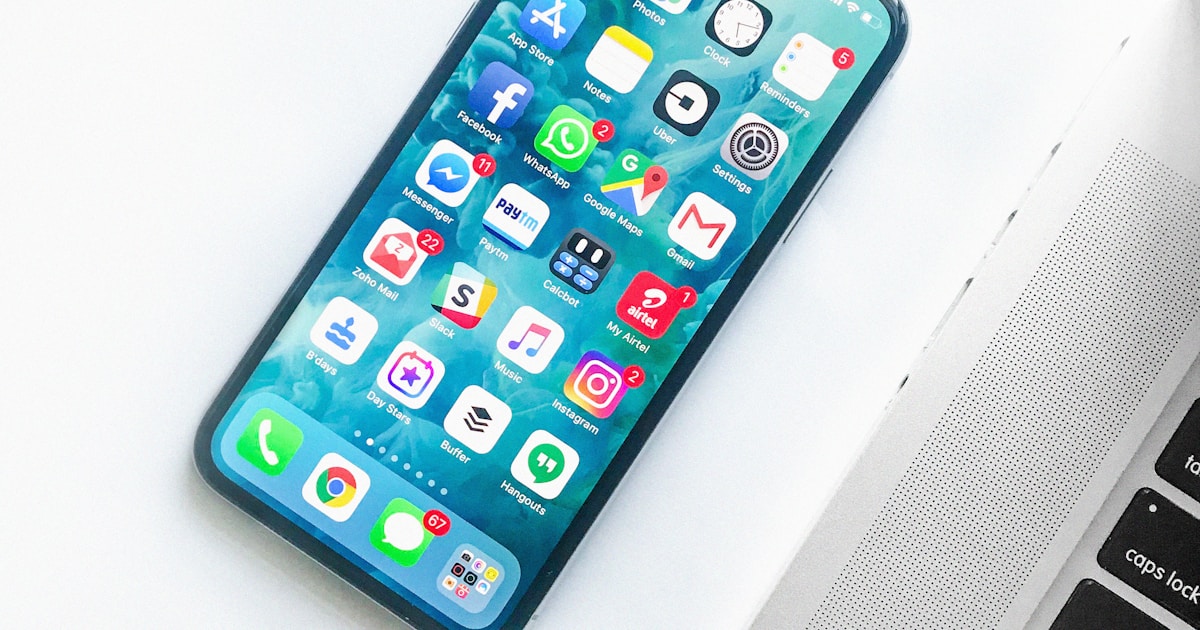
Blue light has become the boogeyman of sleep hygiene. Headlines warn that your phone is "destroying your sleep." Blue light glasses sell millions of units. But as a circadian biologist, I see a lot of confusion and oversimplification in the public conversation. The real science is more nuanced — and more interesting — than "blue light bad."
This article breaks down what blue light actually does to your brain, what the research says about screens and sleep, and what practical steps are evidence-based rather than marketing-driven.
Melanopsin: The Light Sensor in Your Eyes
In 2001, researchers discovered a third type of photoreceptor in the human retina. Beyond the rods (for low-light vision) and cones (for colour vision), we have intrinsically photosensitive retinal ganglion cells (ipRGCs) containing a photopigment called melanopsin. These cells aren't involved in vision at all — they're a dedicated light-sensing system for your body clock.
Melanopsin is most sensitive to short-wavelength light in the blue range, peaking around 480 nanometres. This is the wavelength most prevalent in daylight and, yes, in LED screens. When melanopsin cells detect this light, they send signals via the retinohypothalamic tract to the suprachiasmatic nucleus (SCN) — your brain's master clock — which then suppresses melatonin production and increases alertness.
This is a real, well-documented biological pathway. The question isn't whether blue light affects your circadian system — it clearly does. The question is whether the blue light from your phone is strong enough, at the right times, to meaningfully disrupt your sleep.
What the Screen Time Studies Actually Show
A landmark 2014 study by Chang et al. in Proceedings of the National Academy of Sciences found that reading on an iPad for 4 hours before bed (compared to a printed book) suppressed melatonin by 55%, delayed the melatonin onset by 1.5 hours, reduced REM sleep, and increased next-morning sleepiness [1]. This study launched the "blue light is destroying your sleep" narrative.
But here's what the headlines missed: the iPad condition also involved bright, direct light exposure (approximately 100 lux at the eye), while the print condition involved warm incandescent lighting (approximately 30 lux). The researchers themselves noted that intensity was likely a major factor, not just wavelength.
A 2019 randomised crossover study in the Journal of Clinical Sleep Medicine more carefully isolated the variable. Participants used either a blue-light-filtering screen or a regular screen for 2 hours before bed. The filtered screen produced no significant difference in melatonin levels or sleep quality compared to the regular screen [2]. The light itself, not the blue content, was the primary disruptor.
Intensity vs Wavelength: The Critical Distinction
Here's the key insight most people miss: it's not the colour of the light — it's the intensity.
Consider these numbers:
- Direct sunlight: 100,000 lux. Massive melatonin suppression, obviously. But you're not staring at the sun at midnight.
- Overhead fluorescent office lighting: 300–500 lux. Significant circadian impact, especially with blue-enriched white LEDs.
- Typical phone at arm's length: 30–80 lux. Modest circadian impact, depending on ambient lighting.
- Phone with screen dimmed, in a dark room: 5–15 lux. Minimal melanopsin activation.
A 2021 study in Sleep measured this directly. Participants reading on phones at normal brightness (50–80 lux) showed measurable melatonin suppression, but those who reduced screen brightness to minimum (5–10 lux) showed negligible circadian disruption — comparable to reading by candlelight [3].
This means the practical solution isn't blue light glasses or screen filters. It's dimming your screen and using it further from your face. That reduces total light exposure regardless of wavelength.
Blue Light Glasses: The Evidence Gap
The blue light glasses market is worth over £50 billion globally. The evidence base is considerably smaller. A 2023 systematic review in the Cochrane Database of Systematic Reviews examined 11 randomised controlled trials of blue light filtering lenses and found no statistically significant improvement in sleep quality, sleep onset, or visual comfort compared to clear lenses [4].
The reason is straightforward: the lenses reduce blue light by a modest percentage (typically 10–40% of blue wavelengths), but they don't reduce total light intensity enough to meaningfully affect melanopsin stimulation. You'd need to block nearly all light — essentially wearing sunglasses indoors — to eliminate the circadian signal entirely.
Blue light glasses are not harmful, but they're a solution looking for a problem that has better answers. Dimming your screen, using warm colour temperature modes, and avoiding screens in the hour before bed are all more effective — and free.
Practical Solutions That Actually Work
Based on the current evidence, here are the strategies ranked by effectiveness:
- Night Shift / f.lux (set to maximum warm mode). These shift your screen's colour temperature from ~6500K to ~2700K in the evening. While the colour shift alone has modest impact, the software often also reduces brightness. Use it.
- Dim your screen below 20% brightness after 8pm. This is the single most impactful change. Total light intensity is the dominant variable.
- Use "Do Not Disturb" mode and avoid stimulating content. The light from screens is only part of the problem. Engaging, emotional, or stressful content activates your brain through entirely different pathways than light.
- Consider warm-bulb ambient lighting. Replace cool white (4000–5000K) LED bulbs in your bedroom and living room with warm white (2700K) alternatives. This creates a more consistent low-circadian-stimulation environment.
- The "one-hour screen-free buffer" rule. Stop using screens entirely 60 minutes before your target sleep time. This eliminates the light variable completely.
The Bigger Picture: Context Matters
Blue light isn't the villain it's been made out to be. During the day, blue light exposure is actually beneficial — it strengthens your circadian rhythm, improves daytime alertness, and supports mood. Office workers with blue-enriched lighting report better focus and lower fatigue. The problem only arises when the same light is present at the wrong time.
The most damaging circadian disruptor in modern life isn't your phone — it's inconsistent lighting patterns. A 2023 study in Nature Communications found that irregular light exposure (bright screens late, dim mornings, erratic patterns) was more damaging to circadian health than any specific wavelength [5]. Consistency beats perfection.
So if you're lying in bed at 11pm doom-scrolling, the issue isn't the blue light — it's that you're staring at a bright screen when your body needs dim, warm, non-stimulating input. Fix the behaviour, and the blue light concern largely resolves itself.
References
- Chang, A.M. et al. (2015). "Evening use of light-emitting eReaders negatively affects sleep, circadian timing, and next-morning alertness." Proceedings of the National Academy of Sciences, 112(4), 1232–1237.
- Grønli, J. et al. (2019). "Effects of short-wavelength blue light on sleep and cognitive performance." Journal of Clinical Sleep Medicine, 15(5), 755–765.
- Rahman, S.A. et al. (2021). "Evening circadian misalignment accelerates multiple cardiovascular risks." Sleep, 44(5), zsab053.
- Singh, A. et al. (2023). "Do blue-light filtering lenses improve sleep? A systematic review." Cochrane Database of Systematic Reviews, CD013244.
- Blume, C. et al. (2023). "Light and the circadian system: effects of light intensity and timing." Nature Communications, 14, 3948.
Related reading: Perfect Bedtime Routine · Caffeine and Sleep · Room Temperature · Sleep Hygiene Checklist
🛒 Recommended Products
Hand-picked products that align with the advice in this article.
Vyzia Blue Light Blocking Glasses
Orange lenses block 99.9% of blue light (400-520nm). Wear 2-3 hours before bed for best results.
4.1★ · New reviews · ~£15-20
HQPCAHL Blue Light Blocking Glasses
Budget-friendly option with thick frame. Good for extended screen use during the day.
4.3★ · 500+ reviews · ~£10-15
As an Amazon Associate we earn from qualifying purchases. Prices may vary.
Sarah Chen writes about sleep science and everyday sleep problems for SleepReview, turning research into practical advice.