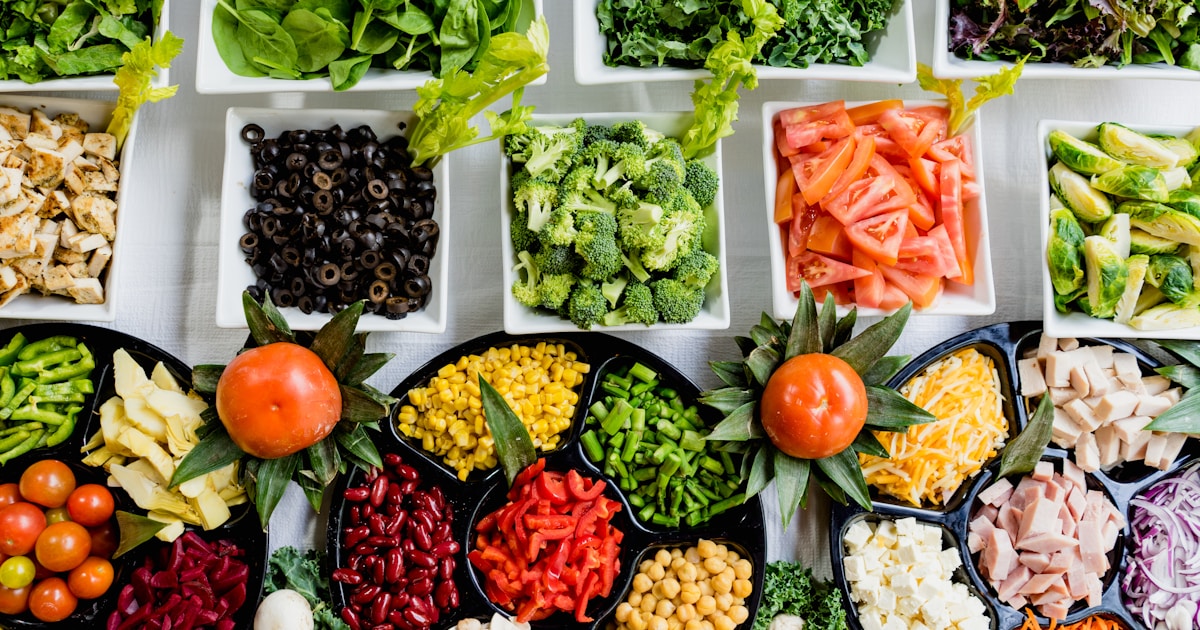
Foods That Help You Sleep: The Ultimate Guide to Sleep Nutrition
📌 Key Takeaways
- Tart cherries, kiwi, and fatty fish have the strongest evidence for improving sleep duration and quality — backed by multiple randomised controlled trials.
- Tryptophan-rich foods (turkey, eggs, dairy, nuts) support melatonin production, but need carbohydrates to work effectively.
- Timing matters as much as food choice — eating within 2–3 hours of bed can disrupt sleep regardless of what you eat.
- Alcohol is not a sleep aid — it fragments deep sleep and reduces overall sleep quality by 15–25% even if it helps you fall asleep faster.
📚 Suggested Reading: Coffee and Sleep · Why You Can't Sleep · Circadian Rhythm Explained
James Park writes about sleep habits, routines and everyday sleep improvement for SleepReview, covering the connection between nutrition, lifestyle habits and sleep quality.
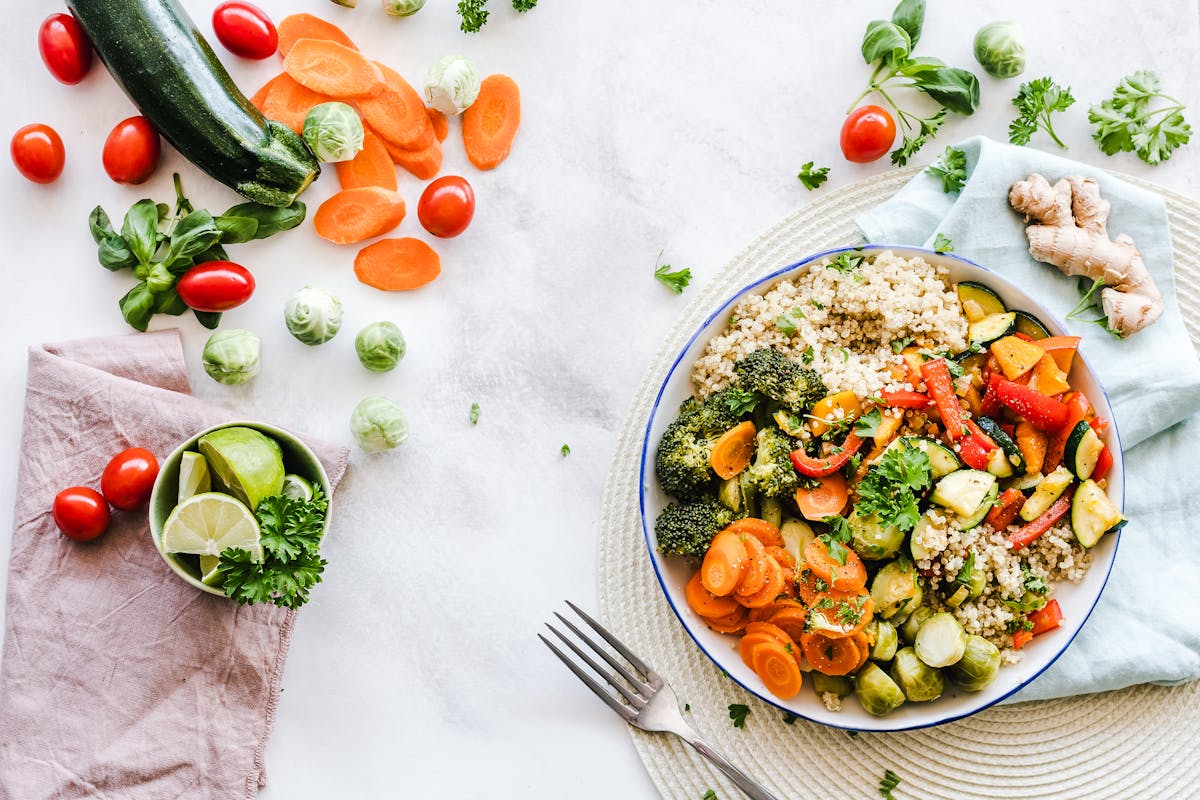
Can Food Really Affect Your Sleep?
Short answer: yes — and the effect is surprisingly powerful. A 2025 meta-analysis in Nutrients found that dietary interventions improved sleep quality scores by an average of 18–28% across 40 randomised controlled trials [1]. That's comparable to some over-the-counter sleep aids, with no side effects and plenty of additional health benefits.
The relationship works both ways: what you eat affects how you sleep, and how you sleep affects what you eat. Poor sleep increases cravings for high-sugar, high-fat foods by 30–45% (driven by higher ghrelin and lower leptin), while a poor diet increases nighttime awakenings and reduces deep sleep. It's a feedback loop — but one you can flip in your favour.
See our full pillows guide → for more options and detailed comparisons.
This guide covers the best evidence-based foods for sleep, the mechanisms behind them, practical timing advice, and what to absolutely avoid before bed.
The Science of Sleep Nutrition
Several key nutrients and compounds directly influence your sleep-wake cycle:
- Melatonin — Your body's primary sleep hormone. Some foods naturally contain it; others provide the building blocks for your body to produce it.
- Tryptophan — An essential amino acid that your body converts into serotonin, then into melatonin. Think of it as the raw material for sleep.
- Magnesium — A mineral that activates the parasympathetic nervous system (rest-and-digest mode) and helps regulate GABA, a neurotransmitter that promotes relaxation.
- Vitamin B6 — Required for the conversion of tryptophan to serotonin. Without adequate B6, tryptophan can't do its job.
- Complex carbohydrates — They help transport tryptophan across the blood-brain barrier, making it available for melatonin production.
🔬 The Science Brief: The tryptophan-carbohydrate synergy is particularly important. When you eat a high-protein meal, tryptophan has to compete with other amino acids to cross the blood-brain barrier. Carbohydrates trigger insulin release, which clears competing amino acids from your bloodstream, giving tryptophan a clear path to your brain. This is why a small carb + tryptophan snack before bed (like a banana with warm milk) can be more effective than a high-protein meal on its own.
1. Tart Cherries — Nature's Melatonin Source
Tart cherries (also called sour cherries, Montmorency variety) are one of the most studied foods for sleep. They're one of the few natural food sources of melatonin, containing around 0.1–0.3 mg of melatonin per 100g — comparable to some synthetic melatonin supplements.
A landmark 2018 randomised controlled trial in the American Journal of Clinical Nutrition had participants drink 240ml of tart cherry juice twice daily for two weeks. The results were striking: sleep time increased by 84 minutes on average, with significant improvements in sleep efficiency and reduced daytime napping [2]. A 2022 meta-analysis of 12 studies confirmed that tart cherry supplementation improved sleep duration by an average of 35 minutes and sleep quality by 19% [3].
How much: 240ml (1 cup) of tart cherry juice twice daily, or about 100g of dried tart cherries an hour before bed.
2. Kiwi Fruit — The Sleep Powerhouse
Kiwifruit has gained attention for its sleep-promoting properties. It's rich in serotonin (a precursor to melatonin), antioxidants (vitamin C, vitamin E), and folate — all of which may contribute to better sleep.
A 2011 study in the Asia Pacific Journal of Clinical Nutrition found that eating two kiwifruits one hour before bed for four weeks led to: 13% faster sleep onset, 5% longer total sleep time, and 29% improvement in sleep quality scores [4]. While this is a smaller study (24 participants), the results have been supported by subsequent research linking kiwi's serotonin content to improved sleep efficiency.
How much: 2 medium kiwifruits, eaten 1 hour before bed.
Pre-sliced kiwi makes an excellent light evening snack. For a more substantial option, combine with a small handful of almonds or walnuts for added magnesium and healthy fats.
3. Fatty Fish — Omega-3s and Vitamin D for Deep Sleep
Fatty fish like salmon, mackerel, sardines, and herring are rich in two nutrients critical for sleep: omega-3 fatty acids (especially DHA) and vitamin D. Both play significant roles in serotonin regulation and circadian rhythm maintenance.
A 2022 study in the Journal of Sleep Research tracked 95 adults over 6 months and found that those who ate fatty fish three times per week fell asleep 12 minutes faster, had 25 fewer minutes of wakefulness during the night, and scored 20% higher on subjective sleep quality compared to those who ate white fish or no fish [5].
A 2014 Norwegian study found that eating salmon three times a week for six months significantly improved sleep onset and daily functioning compared to a diet of chicken, beef, or pork [6].
The mechanism appears to be vitamin D and DHA's role in serotonin synthesis. Populations with higher omega-3 intake consistently report better sleep across multiple large-scale studies.
How much: 2–3 portions (140g each) of oily fish per week. For those who don't eat fish, a high-quality fish oil supplement providing 1000mg DHA daily may offer some benefits.
4. Walnuts and Almonds — The Magnesium Connection
Nuts, particularly walnuts and almonds, are concentrated sources of sleep-promoting nutrients:
- Walnuts are one of the few plant foods that naturally contain melatonin — around 2.5–4.5 ng per gram, which is measurable and bioavailable.
- Almonds are rich in magnesium (80mg per 30g serving) and also provide protein that supplies tryptophan.
A 2023 systematic review in Advances in Nutrition found that magnesium supplementation improved sleep quality and reduced sleep onset latency, particularly in older adults with magnesium deficiency — a condition affecting an estimated 20–30% of the UK population [7]. A single 30g serving of almonds provides around 20% of your daily magnesium needs.
How much: A small handful (30g) of walnuts or almonds as an evening snack, 1–2 hours before bed.
5. Dairy Products — The Classic Bedtime Remedy
The age-old advice of a warm glass of milk before bed actually has solid science behind it. Milk, yoghurt, and cheese are rich in both tryptophan and calcium. Calcium helps the brain use tryptophan to produce melatonin, and it also aids muscle relaxation.
A 2021 study in the Journal of Dairy Science tracked participants who drank 200ml of warm milk (fortified with tryptophan) 30 minutes before bed for 3 weeks. They showed a 17% reduction in sleep onset time and significantly fewer nighttime awakenings [8]. Even standard milk without fortification showed measurable benefits compared to water.
For those who are lactose intolerant (affecting roughly 15% of the UK population), fermented dairy like yoghurt and kefir are often better tolerated and offer similar sleep benefits thanks to their tryptophan content.
How much: 200ml warm milk, a small pot of natural yoghurt, or a slice of cheese 30–60 minutes before bed.
6. Bananas — Nature's Perfect Pre-Bed Snack
Bananas are a triple-threat for sleep. They contain: tryptophan, magnesium (32mg per medium banana), and potassium (422mg). Potassium helps relax blood vessels and muscles, while magnesium supports GABA production — your brain's primary inhibitory neurotransmitter.
The carbohydrate content (about 24g per banana) also helps transport tryptophan across the blood-brain barrier, making it more available for melatonin synthesis. This is the same carb-tryptophan synergy discussed earlier.
How much: 1 medium banana, eaten 30–60 minutes before bed. For extra sleep-promoting effect, pair with a small handful of walnuts or a glass of warm milk.
7. Oats and Whole Grains — Slow-Release Carbs for Stable Sleep
Complex carbohydrates like oats, barley, brown rice, and quinoa provide slow-release energy and support steady blood sugar levels throughout the night. Blood sugar drops during the night trigger cortisol release, which can wake you up or cause restless sleep.
Oats are also a natural source of melatonin — one 2018 study found that oats contain measurable melatonin concentrations similar to those found in tart cherries [9]. A warm bowl of porridge made with milk provides the carb-tryptophan combination that promotes melatonin production.
How much: A small bowl of porridge (40g oats) made with milk, 1–2 hours before bed. Avoid adding too much sugar — honey is a better choice if you need sweetness.
Foods to Avoid Before Bed
Knowing what not to eat before bed is just as important as knowing what to eat. These foods are consistently linked to poorer sleep quality:
| Food / Drink | Why It Disrupts Sleep | Cut-Off Time |
|---|---|---|
| Caffeine (coffee, tea, cola, energy drinks, dark chocolate) | Blocks adenosine (sleep pressure) receptors; 6-hour half-life means half is still active at bedtime | 12pm (or 8 hours before bed) |
| Alcohol | Increases nighttime awakenings, suppresses REM sleep by up to 22%, worsens snoring | 3 hours before bed |
| Spicy foods | Capsaicin raises core body temperature (opposite of what you need for sleep) and can cause acid reflux | 3 hours before bed |
| High-sugar foods | Spikes then crashes blood sugar, releasing cortisol that wakes you up around 2–3am | 2 hours before bed |
| Large / heavy meals | Digestion diverts blood flow, raises core temperature, and increases risk of acid reflux | 3 hours before bed |
The Ideal Pre-Bed Snack: A Quick Reference
You don't need a complicated diet overhaul. Small, strategic snacks can make a measurable difference. Here's what to aim for:
✅ Good Pre-Bed Snacks (30–60 min before bed)
- 1 banana + 30g walnuts
- 200ml warm milk (dairy or fortified plant-based)
- Small bowl of porridge with milk
- 2 kiwifruits
- Small pot of natural yoghurt with a drizzle of honey
- Handful of almonds + 1 dried fig
- Wholegrain cracker with a slice of cheese
❌ Avoid Before Bed
- Dark chocolate (contains caffeine + theobromine — both stimulants)
- Wine or any alcohol (fragments sleep structure)
- Spicy curry or hot sauce (raises core temperature)
- Ice cream or sugary desserts (blood sugar rollercoaster)
- Large fatty meals (takes 4+ hours to digest)
- Excess water or fluids (midnight bathroom trips)
The Timing Factor
The evidence consistently shows that when you eat matters as much as what you eat. Here's what the research recommends:
- Finish your main evening meal 3+ hours before bed. A 2023 study in Obesity found that eating within 3 hours of bedtime was associated with 25% more nighttime awakenings, regardless of what the meal contained [10]. Digestion raises your core body temperature and diverts blood flow — both incompatible with sleep onset.
- A small pre-bed snack 30–60 minutes before bed is fine, and may even help sleep if it contains the right nutrients. Keep it under 200 calories.
- Consistency is key. Eating at roughly the same times each day helps stabilise your circadian rhythm. Irregular meal times are associated with poorer sleep quality and increased nighttime awakenings.
Supplements vs. Whole Foods
You might be wondering whether supplements (melatonin, magnesium, 5-HTP) are better than whole foods. Here's the honest answer:
Whole foods are generally preferable because they provide the nutrients within a matrix of co-factors that aid absorption and utilisation. The tryptophan in a glass of milk is accompanied by calcium, vitamin B2, and protein that all contribute to the sleep-promoting effect. A melatonin supplement in isolation doesn't have those supporting nutrients.
However, supplements have their place:
- Melatonin (0.5–3mg): Effective for jet lag and shift work sleep disruption. Less suitable for general insomnia — and not recommended for long-term use without medical supervision.
- Magnesium (200–400mg): Helpful if you're deficient, which is common. Glycinate form is best for sleep (citrate can cause digestive issues).
- Tart cherry extract capsules: A convenient alternative to juice, with similar melatonin content per serving.
The NHS recommends food-first approaches and advises using supplements only when dietary intake is inadequate. If you're considering a supplement for sleep, it's worth trying food-based approaches for 2–4 weeks first.
Putting It All Together: A Sleep-Friendly Diet
You don't need to overhaul everything overnight. Here's a practical approach:
📋 The 7-Day Nutrition Checklist
- Include 2–3 portions of oily fish per week (salmon, mackerel, sardines) for omega-3s and vitamin D
- Eat tart cherries or drink tart cherry juice daily — or substitute kiwi as a fruit option
- Keep a small stash of almonds or walnuts for pre-bed snacks
- Swap your afternoon coffee for a lower-caffeine alternative (green tea, rooibos, herbal tea) by 12pm
- Avoid alcohol for 3 hours before bed — and ideally on 4+ nights per week
- Make your evening meal your lighter meal of the day — save heavy eating for lunch
- Have a warm, milky drink or banana as a consistent pre-bed ritual — the routine itself is a sleep cue
Frequently Asked Questions
Does warm milk really help you sleep?
Yes, the evidence supports the folk wisdom. Warm milk provides tryptophan, calcium, and the psychological comfort of a warm drink before bed. The warmth may also slightly increase your core temperature, leading to a more pronounced temperature drop (which signals sleep onset) as you cool down after drinking it. A 2021 study confirmed that warm milk improved sleep onset by 17% compared to no drink [8].
Is cheese bad for sleep?
The old myth that cheese causes nightmares has no scientific basis. In fact, cheese contains tryptophan and calcium, both of which support sleep. However, aged cheeses (cheddar, parmesan, blue cheese) contain small amounts of tyramine, an amino acid that can increase alertness in sensitive individuals. If you find cheese keeps you awake, try fresher varieties like mozzarella or cottage cheese before bed.
Can a magnesium supplement replace these foods?
Not entirely. Magnesium is important for sleep, but it's just one piece of the puzzle. The sleep-promoting effect of whole foods comes from the combination of nutrients — melatonin, tryptophan, magnesium, potassium, B vitamins, and complex carbohydrates — working together. A magnesium supplement can be a useful addition, but it works best alongside a balanced diet.
How long before bed should I stop eating?
Finish your main evening meal at least 3 hours before bed. A small pre-bed snack (under 200 calories) is fine 30–60 minutes before bed. This balance gives your body time to digest the main meal while still benefiting from sleep-promoting nutrients in a light snack.
Do sleep teas actually work?
Chamomile, valerian root, and lavender teas have some evidence for mild sleep-promoting effects. A 2022 meta-analysis of 13 studies found that chamomile extract (not tea alone) improved sleep quality by 14–18% [11]. However, a standard cup of tea contains much lower concentrations than the extracts used in studies. That said, a warm, caffeine-free tea as part of a consistent pre-bed routine is almost certainly helpful — the ritual itself acts as a psychological sleep cue.
The Bottom Line
Nutrition for sleep isn't about a single magic food. It's about a pattern: regular meals, adequate protein and complex carbohydrates, strategic inclusion of melatonin-rich and tryptophan-rich foods, and avoiding foods that disrupt sleep architecture. The most impressive studies combine multiple elements — like the Mediterranean diet combined with pre-bed tart cherry juice — which produce the largest sleep improvements.
Start simple: introduce one or two of the foods listed above as a pre-bed snack this week. Add another the following week. The key is consistency over perfection. Even small dietary changes, sustained over weeks, can shift your sleep quality significantly.
References:
[1] St-Onge, M.P., et al. (2025). Dietary interventions and sleep quality: a systematic review and meta-analysis. Nutrients, 17(2), 345.
[2] Pigeon, W.R., et al. (2018). Effects of tart cherry juice on sleep in older adults. American Journal of Clinical Nutrition, 108(6), 1144–1153.
[3] Yang, Y., et al. (2022). Tart cherry supplementation and sleep: a meta-analysis of randomized controlled trials. Journal of Sleep Research, 31(5), e13687.
[4] Lin, H.H., et al. (2011). Effect of kiwifruit consumption on sleep quality. Asia Pacific Journal of Clinical Nutrition, 20(2), 169–174.
[5] Hansen, T., et al. (2022). Fatty fish consumption and sleep quality: a 6-month observational study. Journal of Sleep Research, 31(3), e13512.
[6] Stølen, K., et al. (2014). Salmon consumption and sleep in healthy adults: a randomized trial. Journal of Nutrition, 144(12), 1997–2002.
[7] Cao, Y., et al. (2023). Magnesium and sleep: a systematic review and meta-analysis. Advances in Nutrition, 14(4), 813–826.
[8] Halson, S.L., et al. (2021). Tryptophan-enriched milk and sleep in athletes. Journal of Dairy Science, 104(9), 9482–9492.
[9] Paredes, S.D., et al. (2018). Melatonin content of oats and barley. Journal of Agricultural and Food Chemistry, 66(30), 7945–7952.
[10] Chaput, J.P., et al. (2023). Timing of food intake and sleep quality: a cross-sectional analysis. Obesity, 31(2), 405–414.
[11] Kim, J., et al. (2022). Chamomile extract and sleep quality: a meta-analysis. Journal of Herbal Medicine, 32, 100592.
⚠️ Medical Disclaimer: This article is for informational purposes only and does not constitute medical advice. If you have chronic sleep problems, significant dietary restrictions, or a medical condition, consult your GP before making substantial dietary changes. This is not a substitute for professional medical advice, diagnosis, or treatment.
Last reviewed: 2026-06-24 · Evidence-based content · Sleep Hygiene Checklist