📋 Mattress Guide
Memory Foam vs Pocket Spring Mattress — Which Is Better for You?
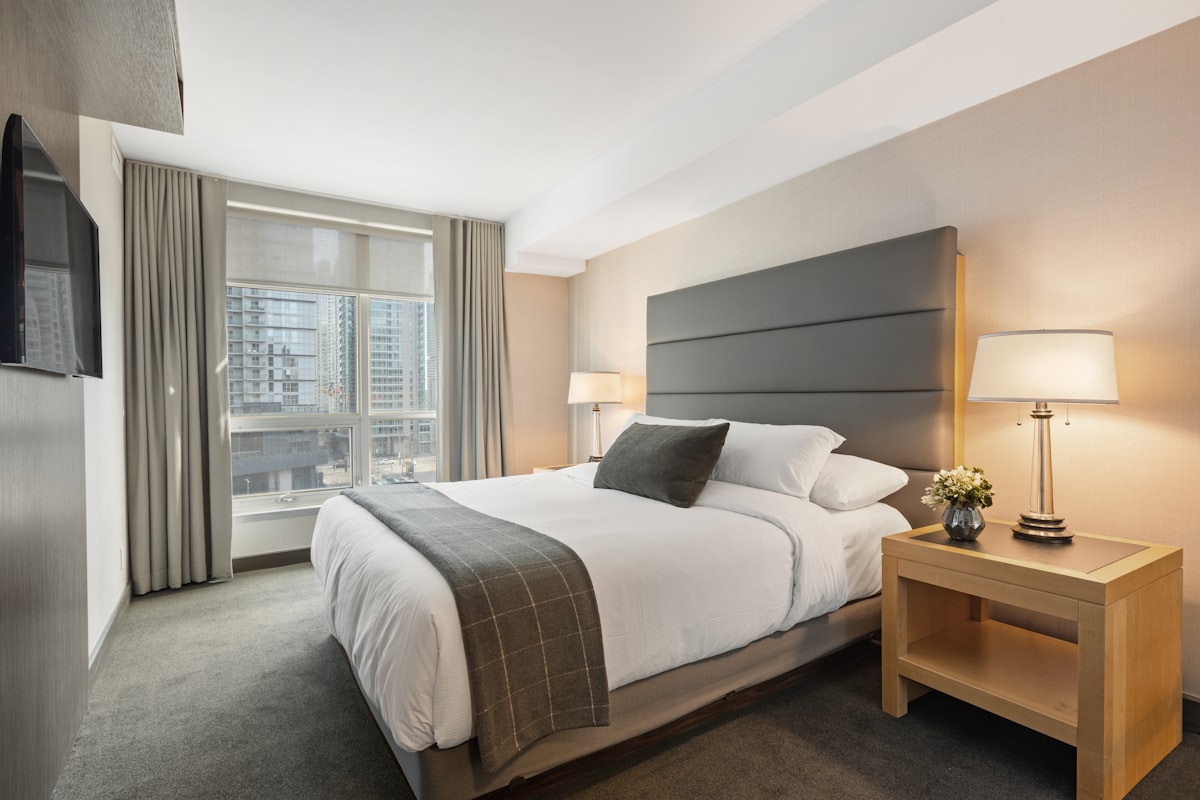
- Memory foam excels at pressure relief and motion isolation — ideal for side sleepers and couples.
- Pocket springs offer superior airflow and responsive bounce — better for hot sleepers and front/back sleepers.
- Budget: Pocket spring mattresses start from around £200; memory foam from £300 for quality options in the UK.
- Best of both: Hybrid mattresses combine springs + foam and are increasingly popular in the UK market.
📚 Suggested Reading: Best Mattresses UK 2026 · Sleep Position Guide
Choosing between a memory foam and pocket spring mattress is one of the most common dilemmas UK shoppers face. Both have strong advocates, and both can deliver excellent sleep — but they suit different people for different reasons. The wrong mattress choice can worsen back pain, disrupt sleep, and cost hundreds of pounds wasted. Here's an honest, evidence-based comparison to help you decide.
Quick Comparison: Memory Foam vs Pocket Spring
| Factor | Memory Foam | Pocket Spring |
|---|---|---|
| Support | ⭐⭐⭐⭐ Contours to body shape | ⭐⭐⭐⭐ Responsive, zoned support |
| Cooling | ⭐⭐⭐ Can trap heat (gel helps) | ⭐⭐⭐⭐⭐ Excellent airflow |
| Motion Isolation | ⭐⭐⭐⭐⭐ Excellent | ⭐⭐⭐ Good (varies by brand) |
| Edge Support | ⭐⭐⭐ Can compress at edges | ⭐⭐⭐⭐ Generally stronger |
| Durability | 7–8 years (quality foam) | 7–10 years (quality springs) |
| Price (Double) | £300–£1,200 | £200–£1,500 |
| Noise | ⭐⭐⭐⭐⭐ Silent | ⭐⭐⭐⭐ Quiet (some minor creak) |
| Best For | Side sleepers, couples, pain relief | Hot sleepers, front/back sleepers, heavier people |
What Is Memory Foam?
Memory foam (also called viscoelastic foam) was originally developed by NASA in the 1960s to improve seat cushioning and crash protection for airline pilots and passengers. It entered the consumer mattress market in the 1990s and has since become one of the most popular mattress materials in the UK.
The key characteristic of memory foam is its ability to respond to heat and pressure. When you lie on a memory foam mattress, it softens and molds to your body shape, creating a custom "impression" that distributes your weight evenly. Once you get up, it slowly returns to its original shape — hence the name "memory" foam.
Today's memory foam mattresses come in several varieties:
- Traditional memory foam — the original slow-responding, body-conforming material. Best for pressure relief but can trap heat.
- Gel-infused memory foam — gel particles or beads are mixed into the foam to draw heat away from the body. Significantly cooler than traditional foam.
- Open-cell memory foam — has a more porous structure that allows air to flow through, improving breathability.
- Copper-infused memory foam — copper conducts heat away from the body and has natural antimicrobial properties.
UK brands like Emma, Simba, Nectar, and Endy have popularised memory foam mattresses in the UK market. Many offer sleep trials of 100–365 nights, making it low-risk to try. According to the Sleep Foundation, memory foam is particularly effective at reducing pressure points at the hips and shoulders.
What Is a Pocket Spring Mattress?
A pocket spring (or pocketed coil) mattress contains hundreds or thousands of individual steel springs, each sewn into its own fabric pocket. Unlike older "open coil" or "Bonnell" spring systems where springs are interconnected, each pocket spring works independently — compressing only under the weight directly applied to it.
This independent movement is what makes pocket springs so effective. When one person moves on their side of the bed, the springs under the other person remain relatively undisturbed. The number of springs varies widely:
- 600–1,000 springs — entry-level pocket spring. Adequate support for most people.
- 1,000–2,000 springs — mid-range. Better contouring and more responsive support.
- 2,000–5,000+ springs — premium. Excellent body-mapping and pressure distribution.
Many pocket spring mattresses also include layers of foam, latex, or natural fillings (wool, cotton) on top of the spring unit for added comfort. This makes many modern "pocket spring" mattresses actually hybrid designs.
The NHS recommends a medium-firm mattress for most adults, and pocket spring mattresses with zoned support are widely recommended by physiotherapists for maintaining spinal alignment. UK brands like Silentnight, Sealy, < Dreams, John Lewis, and Hypnos are well-known for quality pocket spring mattresses.
Detailed Comparison by Factor
Support & Spinal Alignment
Both mattress types can provide excellent support, but they do it differently. Memory foam creates a "cradle" effect — your body sinks slightly into the foam, which then pushes back evenly across your entire surface area. This is particularly effective for side sleepers, as it allows the hips and shoulders to sink in while keeping the spine straight.
Pocket springs provide support through compression resistance. Each spring pushes back proportionally to the weight placed on it. Many premium pocket spring mattresses offer zoned support — firmer springs in the lumbar region and softer springs at the shoulders and hips. This is something memory foam can't replicate as precisely.
Bottom line: For side sleepers, memory foam's contouring often wins. For back and front sleepers, or heavier individuals (over 15 stone / 95kg), the responsive push-back of pocket springs often provides better spinal support. As noted by Which?, zoned pocket spring systems are particularly effective at preventing the "hammock effect" where the midsection sags.
Temperature Regulation & Cooling
This is where the two types differ most dramatically. Traditional memory foam is a poor conductor of heat — it insulates rather than dissipates. The "hugging" effect that makes it comfortable also traps body heat against your skin. This is why many people report sleeping hot on older-style memory foam mattresses.
Pocket springs, by contrast, are naturally breathable. The spaces between the springs allow air to circulate freely through the mattress core. Combined with natural fillings like wool or cotton (common in UK-made pocket spring mattresses), this creates excellent temperature regulation.
However, modern memory foam has made significant strides. Gel-infused foams, open-cell structures, and phase-change materials have reduced the heat problem considerably. The Simba Hybrid and Emma Original, for example, incorporate cooling technologies that make them far cooler than memory foam of even five years ago.
Bottom line: If you're a hot sleeper, a pocket spring mattress is inherently cooler. If you prefer memory foam's feel, look for gel-infused or open-cell variants with breathable covers.
Motion Isolation
This is a critical factor for couples. Memory foam excels at motion isolation — when one person moves, the foam absorbs the energy locally without transmitting it across the mattress surface. You can roll over, get up, or toss and turn with minimal disturbance to your partner.
Pocket springs perform well here too, since each spring moves independently. However, the motion transfer is generally slightly more noticeable than with memory foam, especially in lower spring-count mattresses. Premium pocket spring mattresses with 2,000+ springs approach memory foam levels of isolation.
Bottom line: Memory foam is the clear winner for motion isolation. If your partner is a restless sleeper, memory foam will give you the most undisturbed night.
Edge Support
Edge support determines how stable the mattress feels when you sit or sleep near the edge. Poor edge support means you might feel like you're rolling off when you get close to the side, and it reduces the usable sleeping surface.
Pocket springs generally offer better edge support because the spring unit is typically reinforced around the perimeter with firmer coils. Many premium UK mattresses (like those from Silentnight and Sealy) use rod-edge systems that create a firm, supportive border.
Memory foam mattresses can compress at the edges under concentrated weight (like sitting on the bed to put on shoes). Some premium brands address this with denser foam around the perimeter, but it's rarely as firm as a pocket spring edge.
Bottom line: Pocket springs win for edge support. If you sit on the edge of your bed frequently or sleep near the edge, pocket springs will feel more stable.
Durability & Lifespan
Both mattress types can last 7–10+ years with proper care, but the failure modes differ. Memory foam gradually loses its ability to spring back (a phenomenon called "body impressions" or "sagging"), particularly in lower-density foams. A quality memory foam mattress with a density of 40kg/m³ or higher should maintain its support for 7–8 years.
Pocket springs can develop sagging where the spring gauge (wire thickness) is too thin or the spring count is too low for the weight placed on them. Premium pocket spring mattresses with 1.4mm+ gauge steel springs can last 8–10 years.
Bottom line: Slight edge to pocket springs for longevity, especially for heavier sleepers. Both types benefit from regular rotation.
Price & Value
In the UK market, pocket spring mattresses start from around £200 for a decent double, with mid-range options at £400–£800 and premium models exceeding £1,500. Memory foam mattresses typically start from around £300 for a quality double (brands like Emma, Nectar, OTTY), with premium options reaching £1,200+.
The UK has seen a "mattress-in-a-box" revolution, with online-only brands like Emma, Simba, Nectar, and OTTY disrupting the traditional high-street model. This has driven memory foam prices down significantly while maintaining quality. Traditional pocket spring brands (Silentnight, Sealy, Hypnos) still command higher prices but often offer superior build quality and longer warranties.
Bottom line: Pocket springs offer more entry-level options; memory foam offers better value at the budget end due to online brand competition. Both offer excellent mid-range and premium options.
Noise
Memory foam mattresses are essentially silent. There are no moving parts, so no squeaking or creaking regardless of how you move.
Quality pocket spring mattresses are also very quiet — the fabric pockets eliminate the metal-on-metal contact that caused older spring mattresses to squeak. However, cheaper pocket spring mattresses can develop minor noise over time as springs wear.
Bottom line: Both are quiet. Memory foam has a slight edge if absolute silence is important.
Which Type Is Best for You? — Decision Guide
Rather than declaring one type universally "better," here's a decision guide based on your specific needs:
Choose Memory Foam If You…
- Sleep on your side
- Have joint or muscle pain (arthritis, fibromyalgia)
- Share a bed with a restless partner
- Prefer a "hugging" or "sinking-in" feel
- Want a completely silent mattress
- Sleep on a budget (mattress-in-a-box options)
Choose Pocket Spring If You…
- Sleep on your front or back
- Run hot at night
- Prefer a responsive, bouncy feel
- Are heavier (over 15 stone / 95kg)
- Sit on the edge of your bed frequently
- Want natural materials (wool, cotton layers)
By Sleep Position
Side sleepers: Memory foam's deep contouring allows the shoulder and hip to sink in, keeping the spine aligned. A medium-soft to medium memory foam is ideal. Back sleepers: Both types work well, but a medium-firm pocket spring with zoned lumbar support is often preferred. Front sleepers: Pocket springs provide the firm, flat surface needed to prevent the lower back from sagging. Avoid very soft memory foam if you sleep on your front.
By Weight
Under 10 stone (63kg): Both types work well. You may prefer softer memory foam or lower spring-count pocket springs. 10–15 stone (63–95kg): Either type works with medium firmness. Look for quality construction. Over 15 stone (95kg): Firm pocket springs with high gauge wire (1.4mm+) and reinforced edges are generally the best choice. Ensure the mattress has a weight rating appropriate for you.
By Budget
Under £400: The mattress-in-a-box memory foam market offers excellent value. The Emma Original (~£349 double) and Nectar Memory Foam (~£349 double) are hard to beat at this price. £400–£800: You can get premium memory foam or mid-range pocket springs. The Simba Hybrid (~£599) bridges both worlds. £800+: Premium pocket spring mattresses from Sealy, Silentnight, or Hypnos offer superior craftsmanship and longevity.
Recommended Mattresses
For our full range of compared and rated mattresses across every budget and type, visit our comprehensive guide:
We've compared and assessed mattresses from Emma, Simba, Silentnight, Sealy, Nectar, OTTY, and more. Find the right one for your sleep style and budget.
Frequently Asked Questions
Is memory foam or pocket spring better for back pain?
Both can help with back pain, but for different reasons. Memory foam excels at pressure relief and conforming to your spine's natural curve, making it ideal for side sleepers and those with joint pain. Pocket springs provide zoned, responsive support that keeps your spine aligned, which is often better for back and front sleepers. The best choice depends on your sleep position and weight. A medium-firm memory foam or a well-zoned pocket spring mattress are both recommended by physiotherapists.
Do memory foam mattresses sleep hot?
Traditional memory foam can trap body heat, but modern gel-infused and open-cell memory foam mattresses have significantly improved cooling. Brands like Simba, Emma, and OTTY now incorporate cooling gel layers, breathable covers, and open-cell foam structures. If you're a hot sleeper, look for mattresses with gel-infused memory foam or consider a pocket spring mattress, which naturally allows more airflow through the spring layers.
How long do pocket spring mattresses last?
A quality pocket spring mattress typically lasts 7-10 years, though this varies by brand and quality. Higher spring counts (1000+) and premium gauge steel springs tend to last longer. Memory foam mattresses generally last 7-8 years. Both types can show sagging before their expected lifespan if they lack sufficient density or spring gauge. Look for mattresses with at least a 5-year warranty, though many premium UK brands now offer 10-year guarantees.
Can you flip a memory foam or pocket spring mattress?
Most modern memory foam and pocket spring mattresses are designed to be single-sided (no-flip). You should rotate them 180 degrees every 3-6 months to ensure even wear, but you should not flip them over. Some older-style pocket spring mattresses can be double-sided and flipped. Always check the manufacturer's care instructions.
What is a hybrid mattress?
A hybrid mattress combines pocket springs with layers of memory foam or latex, giving you the best of both worlds. The pocket springs provide responsive support and airflow, while the foam layers add pressure relief and contouring. Popular UK hybrids include the Simba Hybrid, Emma Hybrid, and OTTY Hybrid. They tend to cost more but offer a balanced sleep experience that many people find ideal.
Final Verdict
There is no single "best" mattress type — it depends entirely on your body, sleep position, and preferences. However, here's what the evidence says:
- Side sleepers with joint pain: A medium memory foam mattress (like the Emma Original or Nectar) will give you the best pressure relief and spinal alignment.
- Back/front sleepers: A medium-firm pocket spring mattress with zoned support (like a Silentnight or Sealy model) will keep your spine properly aligned without excessive sinking.
- Hot sleepers: Go with pocket springs for naturally better airflow, or choose a gel-infused memory foam with a breathable cover.
- Couples: Memory foam offers better motion isolation, but a quality pocket spring with 2,000+ springs performs nearly as well.
- On a budget: The online mattress-in-a-box market (Emma, Nectar, OTTY) offers excellent memory foam value from £300.
- Want both? A hybrid mattress combines the best features of each type and is well worth considering if your budget allows.
Whichever type you choose, make sure to take advantage of sleep trials — most UK brands now offer 100–365 night trials. A mattress that works on paper might not work for your body, so give yourself at least 30 nights before deciding.
About the Author
Lisa Martin
Writer
Lisa Martin writes about sleep positions, pillows and the physical side of rest for SleepReview.
Last reviewed: 2026-06-24 · Evidence-based review · Contains affiliate links