Noise Cancelling Headphones for Sleeping: Do They Work?
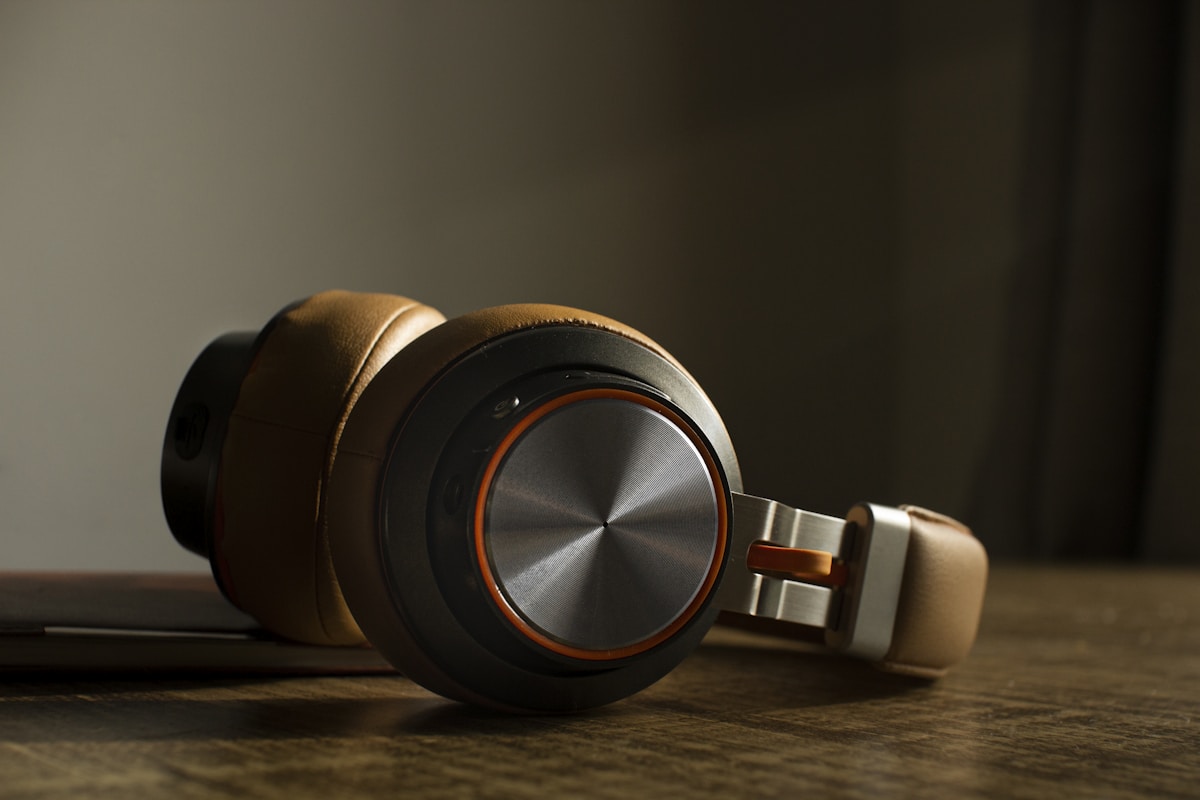
Yes, you can sleep in noise cancelling headphones, and for some people they beat earplugs outright, but they only really work if you sleep on your back. Over-ear ANC cans block the low drone of traffic, fans and snoring brilliantly, then fall apart the moment you roll onto your side, because the earcup digs into the pillow and your ear.
After twelve years of trying to sleep on rotating shifts, in stations, on-call rooms and next to a snoring Labrador called Diesel, my honest verdict is that ANC headphones suit a specific slice of people, and everyone else is better served by sleep earbuds, earplugs or a white noise machine.
- ANC headphones are a back-sleeper tool - they cancel continuous droning noise like traffic and fans, and they are close to useless on your side, where the earcup fights the pillow.
- The alarm problem is real - ANC blocks the steady background sounds your alarm relies on, so set your phone to vibrate under the pillow or keep one earcup off.
- The evidence base favours earplugs - decades of hospital studies show earplugs improve sleep in noisy environments, while ANC headphones have almost no sleep-specific research behind them yet.
- Sleep-specific gear usually wins - tiny ANC earbuds and flat headband speakers solve the side-sleeper problem properly, and they cost less than premium over-ear cans.
📚 Suggested Reading: Best Sleep Headphones and Earbuds UK 2026 · How to Sleep in a Noisy Environment
Why Noise Is Such a Problem at Night
Your brain never fully switches off its threat detection, and noise is what pokes it. The WHO recommends bedroom noise below 30 dB at night, which is about the level of a whisper, and its Night Noise Guidelines for Europe set 40 dB outside the bedroom as the target for protecting sleep. Plenty of UK bedrooms sit above that: traffic through a single-glazed window, a neighbour's TV, a partner's snoring at 50 dB or more.
Sudden noises are the worst of it. A consistent hum you can habituate to, but a car door slamming at 3am triggers a full orienting response, and you surface from deep sleep even if you do not remember it in the morning. That is the whole reason any of us are here: blocking noise at night is not about comfort, it is about protecting the sleep stages your brain needs.
What ANC Actually Cancels
Active noise cancelling is brilliant at one thing: steady, low-frequency droning. Traffic rumble, a fan, an aeroplane engine, the hum of a fridge - ANC generates an inverted sound wave and cancels those frequencies before they reach your eardrum. The Sony WH-1000XM5 is still the benchmark here, with the strongest cancellation of any over-ear pair we have compared and a 30-hour battery that comfortably covers a full night plus a morning shift.
What ANC does not do well is sudden, unpredictable noise. A snore, a shout, a dog barking, a phone ringing - those are mid-frequency and transient, and while good ANC softens them, it does not remove them the way it removes a drone. The snoring partner is the make-or-break test: ANC headphones take the edge off, but they are not the magic switch people hope for.
The Side Sleeper Problem
This is where most ANC headphone experiments die, and it is not a comfort preference, it is physics. Lie on your side with over-ear cans and the earcup acts as a wedge between your head and the pillow. Your ear folds, the clamp digs into your temple, and your neck ends up at an angle your spine will invoice you for in the morning.
I have woken up with my ear folded in half more times than I care to count, and I would not recommend it to anyone.
If you are a side sleeper and you want active cancellation, the answer is not over-ear headphones at all. Tiny sleep-specific earbuds like the Soundcore Sleep A30 sit flush inside your ear canal, so you can lie on them without pressure, and they include ANC plus a sleep timer.
Flat headband speakers like the MUSICOZY Sleep Headphones Headband skip the ear canal entirely and just rest over your ear. Our full sleep headphones and earbuds guide breaks down which shapes survive a night on your side.
What the Research Actually Says
Here is the uncomfortable truth: the sleep evidence is all on earplugs, not on ANC headphones. A widely cited study in critical care found that earplugs improved patients' subjective experience of sleep in a noisy intensive care unit, and a randomised trial in Critical Care found earplugs plus an eye mask increased REM sleep time and reduced arousals in ICU patients. That is a strong, repeatable finding about blocking noise at night.
ANC headphones simply do not have that evidence base yet. They work on the same logic - less noise reaching your ears - and for continuous noise they cancel more than any earplug, but nobody has run the ICU-style trials on them. If you want the safest bet for a noisy bedroom, earplugs remain the boring, proven answer, and the Loop Quiet Earplugs are the reusable option we rate highest for comfort. Our best earplugs guide covers foam, silicone and wax in detail.
What to Look For If You Try It Anyway
If you are a back sleeper with a droning noise problem, over-ear ANC can genuinely change your life, and these are the specs that matter. Battery life above ten hours so it survives the night, soft earpads that do not cook your ears, a light clamp force, and an auto-off timer so it does not play audio all night if you fall asleep with music on. ANC works with the music off too, which is the battery-friendly way to use it.
On the budget end, the Soundcore Q20i gets you solid hybrid ANC for around forty quid, which is a cheap way to find out whether the whole approach works for you. The Soundcore Space 2 is the 2026 mid-range pick with stronger low-frequency cancellation and a better fit for larger heads. If you want the best cancellation money can buy and you sleep on your back, the Sony XM5 above is still the one.
And the Alarm Problem Nobody Mentions
You will not hear your alarm, and I mean that literally. The same steady drone ANC cancels is exactly the frequency band phone alarms live in, and shift workers have missed more than one start because of it. My rule is simple: phone on vibrate under the pillow, or a smartwatch that buzzes your wrist, or one earcup off if the noise is only coming from one side.
A sunrise alarm clock that lights the room before it makes a sound also helps, and our shift work sleep guide covers the whole alarm and nap protocol for irregular hours.
And if the noise in your life is not a drone but general chaos, do not sleep on the old-school answers. A Dreamegg D11 white noise machine masks the mid-frequency stuff ANC misses, and our white noise machine guide explains why sound masking beats sound blocking for most people.
FAQ
Is it safe to sleep in noise cancelling headphones?
Generally yes for adults, with the right pair. Choose a pair with a light clamp and soft earpads, keep the volume low or off, and clean the pads regularly. If your ears get hot, sweaty or sore, take nights off and switch to earplugs or a white noise machine.
Do noise cancelling headphones work for side sleepers?
Mostly no for over-ear models, because the earcup presses into the pillow and your ear. Side sleepers usually do better with thin earbuds, a flat headband speaker, or earplugs. A pillow with a cut-out for your ear helps if you are determined to use over-ear headphones.
Will I still hear my alarm with ANC headphones on?
Not reliably, which is the biggest practical risk. Active noise cancelling blocks the steady background sounds your alarm relies on cutting through. Put your phone on vibrate under the pillow, or keep one earcup off, or use a smartwatch that vibrates on your wrist.
Are ANC headphones better than earplugs for sleep?
They are different tools for different noise. Earplugs physically block everything, including the sounds you might need to hear, and they have decades of sleep research behind them. ANC headphones selectively cancel continuous droning noise like traffic and fans, but the sleep-specific evidence base is much thinner.
Can noise cancelling headphones damage my hearing?
No, if you keep the volume sensible. ANC at low volume is actually safer than turning music up to drown out noise, because you do not need loud playback to mask the outside world. Never crank the volume to compete with a noisy room, and take breaks so your ears stay healthy.
The Bottom Line
Noise cancelling headphones for sleeping are a specialist tool, not a universal fix. Back sleepers with a continuous droning noise - traffic, fans, a snoring partner - can get real relief from a pair like the Sony WH-1000XM5 or a budget Soundcore, and the battery and alarm setup is manageable.
Everyone else should stop fighting the pillow and use sleep earbuds, a headband speaker, earplugs or a white noise machine, all of which have better evidence and better side-sleeper geometry. Try the cheap version of the experiment first, and let your ears, and your neck, be the judge.
For more sleep guides, visit SleepReview
Medical Disclaimer: This article is for informational purposes only and does not constitute medical advice. If you have tinnitus, hearing problems or persistent ear pain, please speak to a healthcare professional before using in-ear or over-ear devices overnight.
Last reviewed: 2026-08-07