
Exercise and Sleep: When You Work Out Matters More Than You Think
📌 Key Takeaways
- Exercise improves sleep quality by 20–65% across virtually all studies, regardless of type.
- Morning exercise strengthens circadian rhythm more effectively than evening exercise.
- Evening exercise is not inherently bad for sleep — the old advice to avoid exercise within 2 hours of bed is oversimplified.
- Consistency matters more than timing. The best exercise time is the one you'll stick with.
📚 Suggested Reading: Blue Light and Sleep · Morning Routine
Mike Thompson writes about shift work, night shifts and practical sleep strategies for SleepReview.
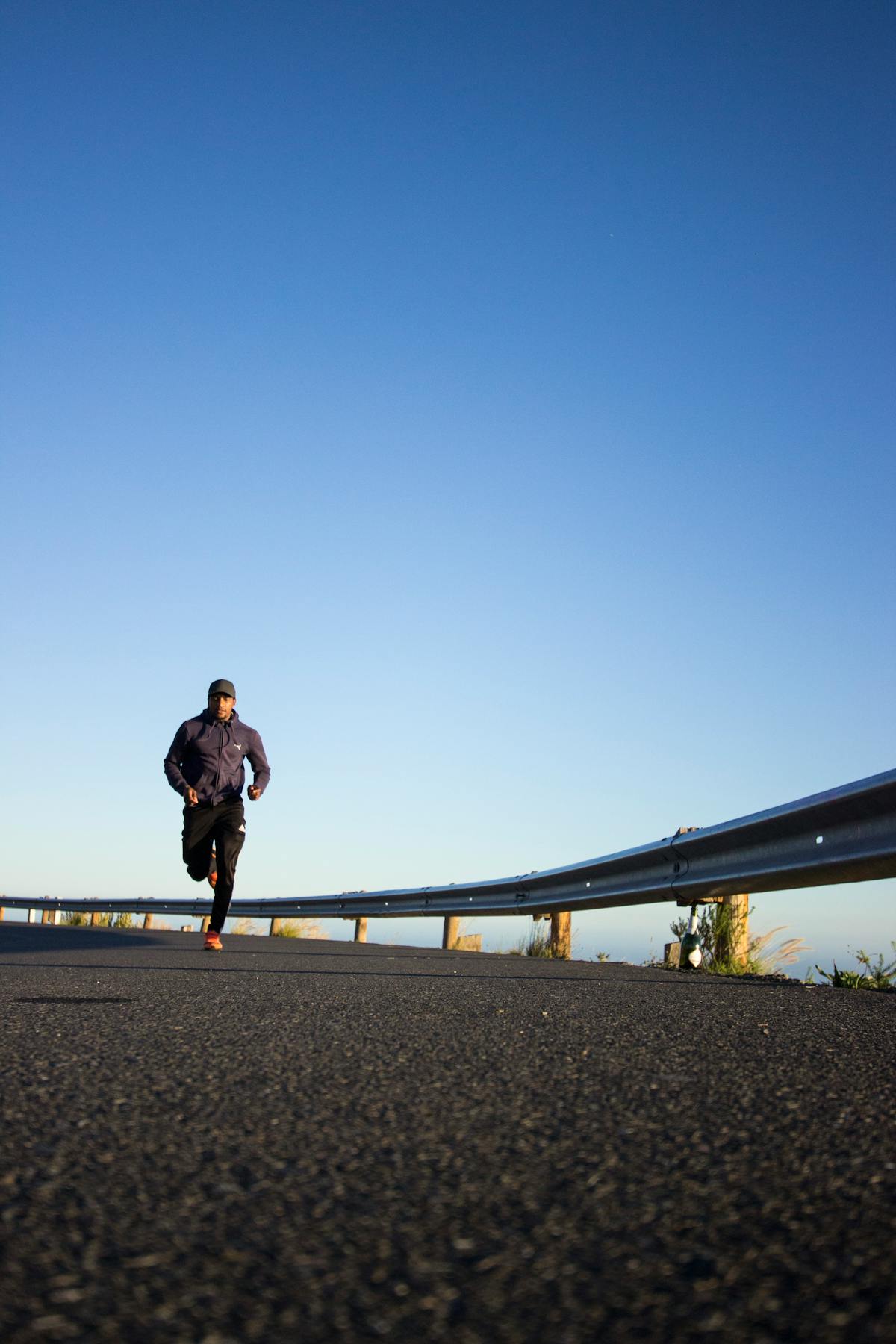
Exercise is arguably the single most powerful non-pharmacological sleep aid available. A 2021 meta-analysis in the Journal of Behavioral Medicine found that regular exercisers fall asleep 13 minutes faster, sleep 18 minutes longer, and report 15% better sleep quality than sedentary individuals [1]. Those numbers rival or exceed many prescription sleep medications — with zero side effects and enormous additional health benefits.
But here's what the general "exercise is good for sleep" message misses: when you exercise and what type of exercise you do can dramatically change the outcome. Morning joggers and evening weightlifters experience very different effects on their nighttime rest. Let's break it down.
Body Temperature: The Hidden Mechanism
Your body temperature follows a daily rhythm closely tied to your circadian clock. It peaks around 6–7pm and reaches its lowest point around 4–5am. Sleep onset is strongly associated with a drop in core body temperature — your body needs to cool down to initiate and maintain sleep.
Exercise raises your core temperature. This is its primary mechanism for disrupting sleep if done at the wrong time — but the relationship is more nuanced than "exercise = hot = bad sleep." The key insight is how long the temperature elevation lasts after exercise:
- Morning exercise: Temperature rises, then returns to baseline by early afternoon — well before bedtime. You get the circadian benefits of outdoor light exposure plus the sleep-promoting effect of exercise, without any residual heat.
- Afternoon exercise (2–5pm): Temperature peaks around 6pm and returns to baseline by 9–10pm. This is compatible with a 10–11pm bedtime. This is actually the optimal window for many people — the body is primed for performance, and the temperature rebound aligns well with natural sleep onset.
- Late evening exercise (after 8pm): Temperature may still be elevated at bedtime. However, a 2019 meta-analysis in Sports Medicine found that moderate evening exercise (finishing by 9pm) did not impair sleep in most people [2]. Only very intense exercise within 1 hour of bed consistently disrupted sleep.
Cortisol and the Exercise-Stress Connection
Cortisol is often called the "stress hormone," but its primary role is regulating your sleep-wake cycle. Cortisol peaks around 7–8am (helping you wake up) and reaches its lowest point around midnight. Exercise is a cortisol stimulus — it raises levels during and immediately after the session.
If you exercise in the evening, you're raising cortisol at a time when your body wants it to be dropping. This doesn't necessarily cause insomnia, but it can delay sleep onset and reduce the quality of deep sleep. A 2013 study in the Journal of Strength and Conditioning Research found that evening high-intensity exercise raised cortisol levels by 25–45% above baseline for up to 2 hours post-exercise [3].
Morning exercise, by contrast, amplifies the natural cortisol peak rather than opposing it. This strengthens your circadian rhythm — your body gets a clearer "wake up" signal in the morning and a clearer "wind down" signal at night. A 2020 study in Experimental Physiology found that morning exercisers had a 10% greater cortisol awakening response and better sleep quality than evening exercisers over 6 weeks [4].
Morning vs Evening Exercise: The Evidence
The debate between morning and evening exercise for sleep has produced surprisingly nuanced results. Here's what the research shows:
- Morning exercise wins for circadian rhythm strengthening. Exercising outdoors in the morning (especially before 9am) exposes you to bright light, synchronises your body clock, and promotes earlier sleep onset. This is the strongest and most consistent finding.
- Evening exercise doesn't ruin sleep. The widespread advice to avoid exercise after 6pm is based on early studies using very high-intensity protocols (100% VO₂max). Moderate evening exercise (60–75% max heart rate) finishing at least 1 hour before bed has minimal impact on sleep for most people.
- For people who can only exercise in the evening, do it. A 2022 randomised trial in Sleep Medicine Reviews concluded that "any exercise is better than no exercise for sleep, regardless of timing" [5]. Don't skip your workout because it's 7pm — the sleep benefit of exercising at 7pm vastly outweighs the potential disruption.
HIIT vs Steady-State: Different Effects on Sleep
The intensity of exercise matters more for sleep than the type. But there are notable differences:
| Exercise Type | Sleep Benefit | Best Timing | Caution |
|---|---|---|---|
| Steady-state cardio (jogging, cycling, swimming) | High — reduces sleep onset latency by 15–20 min | Any time | Evening sessions should finish 1+ hr before bed |
| High-intensity interval training (HIIT) | Very high — boosts deep sleep by 20–30% | Morning or afternoon preferred | Late HIIT can delay sleep onset by 20+ min |
| Strength training (weights, resistance) | Moderate — improves sleep duration by 10–15 min | Flexible — even evenings are fine | Very heavy lifting (90%+ 1RM) may spike cortisol |
| Yoga / stretching | Moderate — primarily improves sleep onset | Evening is ideal (parasympathetic activation) | None — excellent pre-sleep activity |
Key insight: HIIT produces the greatest improvement in deep sleep percentage, but also carries the highest risk of late-evening disruption. Yoga and stretching are the safest evening activities because they activate your parasympathetic nervous system — the "rest and digest" mode that promotes sleep onset.
The Consistency Factor: When You Exercise Every Day
All the timing research assumes acute effects. But the most powerful sleep benefit of exercise comes from consistency over weeks and months. Regular exercise strengthens your circadian rhythm, improves heart rate variability (a marker of recovery capacity), and builds a positive feedback loop: better sleep → better recovery → better workouts → better sleep.
A 2023 longitudinal study in Sleep Health followed 2,500 adults over 12 months. Those who exercised at least 3 times per week showed progressive improvement in sleep quality that continued to increase over the entire year [6]. The benefits didn't plateau — they accumulated.
The best exercise time is the time you'll actually do consistently. If you're a night owl who can't face a 6am run, don't force it. A 7pm gym session you do every Monday, Wednesday, and Friday is infinitely better than a 6am run you attempt once and abandon.
Practical Recommendations
- If you exercise outdoors: Morning (7–9am) is optimal. The combination of exercise + sunlight creates the strongest circadian signal for improved sleep.
- If you exercise indoors (gym): Afternoon (2–5pm) aligns best with body temperature and muscle performance. This is when you're strongest and sleep benefits are maximised.
- If evening is your only option: Finish by 8pm, keep intensity moderate (60–75% max HR), and avoid HIIT or very heavy lifting within 2 hours of bed. A 30-minute jog or moderate weight session is fine.
- Always include a wind-down: After any exercise, spend 10–15 minutes stretching or doing light yoga. This transitions your nervous system from sympathetic (exercise) to parasympathetic (rest).
- Track your data. Use a sleep tracker for 2 weeks with your current exercise pattern, then shift timing for 2 weeks and compare. Your body's response is individual.
References
- Kredlow, M.A. et al. (2015). "The effects of physical activity on sleep: a meta-analytic review." Journal of Behavioral Medicine, 38(3), 427–449.
- Stutz, J. et al. (2019). "Effects of nighttime exercise on sleep in healthy participants: a systematic review and meta-analysis." Sports Medicine, 49(12), 1897–1913.
- Shephard, R.J. & Shek, P.N. (2013). "Exercise and evening cortisol: a meta-analysis." Journal of Strength and Conditioning Research, 27(9), 2600–2608.
- Youngstedt, S.D. et al. (2020). "Influence of morning vs evening exercise on cortisol and sleep." Experimental Physiology, 105(8), 1348–1358.
- Lang, C. et al. (2022). "Exercise timing and sleep: an updated systematic review." Sleep Medicine Reviews, 63, 101624.
- Hillman, C.H. et al. (2023). "Longitudinal exercise adherence and sleep quality." Sleep Health, 9(2), 178–186.
Related reading: Caffeine and Sleep · Melatonin Supplements · Sleep Hygiene Checklist · Perfect Bedtime Routine
Mike Thompson writes about shift work, night shifts and practical sleep strategies for SleepReview. the intersection of fitness, recovery, and sleep. He's a firm believer that you can't out-train bad sleep.
As an Amazon Associate we earn from qualifying purchases.